From heart-pounding HIIT sessions to morning walks and weekend bike rides, technology has changed not just what we do when we train but also how we understand our bodies, measure progress, stay motivated, and even recover smarter. Tech and fitness are no longer separate worlds: they’re woven together into a new lifestyle that’s fun, data-driven—and accessible to almost anyone.
Once upon a time, tracking fitness meant jotting down laps on a notepad. Today, it means live biometrics, real-time feedback, AI-driven coaching, and virtual worlds that make your sweat sessions feel like games. Whether you’re a casual walker or a weekend warrior, this guide breaks down how to exercise smarter using technology and quantified health, with real tools, tips, and inspiration to upgrade your regimen.
Why Tech and Fitness Are a Perfect Pair
Gone are the days when gadgets were seen as distractions from “real exercise.” In 2026, wearables, apps, and smart devices have become a core part of how people stay active and healthy—not just for professionals, but for everyday individuals who want measurable progress and lasting results.
Here’s what’s fueling this shift:
1. Health Consciousness Is Surging
More people today care about preventive health—not just burning calories. Wearables and apps help people catch early signs of problems like irregular heart rhythms or sleep disruptions, empowering them to act earlier.
2. “Quantified Self” Is Mainstream
Tracking health stats used to be niche. Now it’s normal to measure steps, sleep, heart rate, oxygen saturation, stress, and even readiness to train—giving you the power to make data-informed decisions about your workouts and recovery.
3. Apps and Devices Work Together
Wearables now sync with multiple platforms—from cycling apps to nutrition trackers—creating a unified ecosystem for wellness. That means your workout data doesn’t live in isolation: it fuels smarter recommendations, adaptive training plans, and personalized insights.

Top Tech Tools to Level Up Your Training
Let’s explore the best ways technology can blend with fitness and quantified health—from virtual riding to advanced wearables.
1. Virtual Training: Pedal, Run, and Move With Purpose
Zwift: Ride and Run Through Virtual Worlds
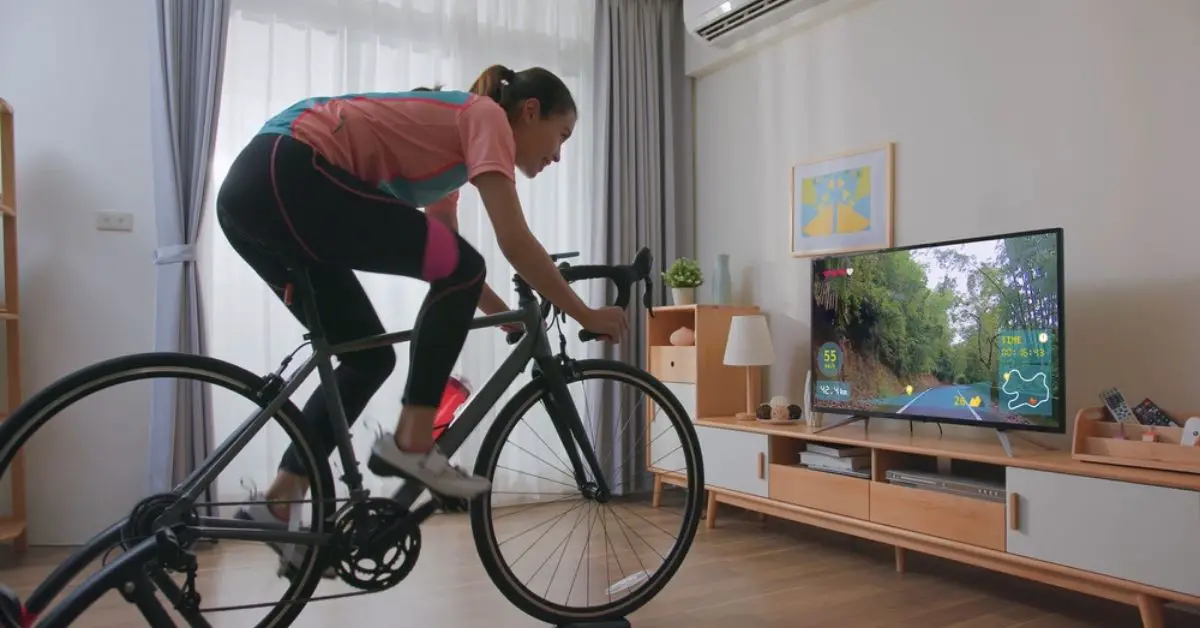
Remember cycling only through the real countryside? Virtual platforms like Zwift let you pedal—or run—through digital versions of iconic routes, complete with competitions, challenges, and training plans. It’s perfect for days when weather, travel, or time make outdoor training tough.
Why riders love it:
-
Dynamic terrain that changes with your power output
-
Built-in workouts and group events
-
Social engagement with riders around the globe
Pro tip: Connect Zwift with a smart trainer and a wearable heart rate monitor to get real-time performance feedback—calories burned, cadence, and training load—for smarter sessions.
Great if you want structure and camaraderie that feels less like solo indoor riding and more like community training.
2. Wearables: Your Fitness Command Center
From wristbands and smart rings to sensor-embedded clothing, wearables are the backbone of quantified fitness.
Smartwatches: The All-Around Champion
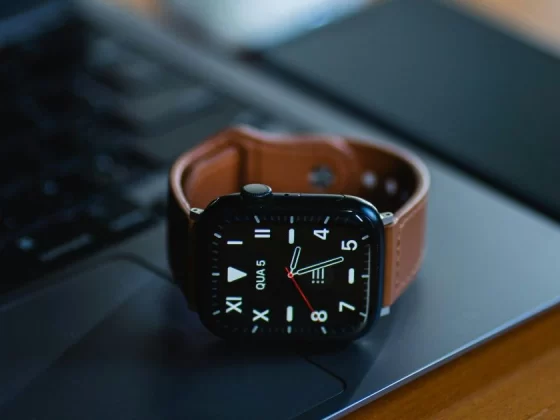
Devices like Apple Watch, Garmin, and Fitbit continue to dominate the market, tracking:
-
Heart rate
-
Sleep stages
-
Workout intensity
-
VO₂ max
-
Stress and recovery metrics
Smartwatches also alert users when it’s a good day to push hard or plan rest, based on biometrics gathered 24/7.
Smart Rings: Minimalist Powerhouses
Tiny rings—like Oura or emerging rivals—pack high-end monitoring into elegant jewelry-style wearables.
They offer:
-
Heart rate and respiratory tracking
-
Sleep quality insights
-
Readiness scores
-
Subtle, always-on monitoring without bulky straps
Smart rings are especially good if you want continuous data without looking at a screen all day.
Screen-less Bands: Focused Fitness Tools
New devices like the Luna Band are shaking up the market by offering smart tracking without a screen, blending comfort with AI wellness guidance—and often with no subscription fees.
3. Advanced Sensors & Smart Clothing
Wearables aren’t just watches anymore.
Smart Shirts & Sensor Textiles
Companies such as Hexoskin make shirts with embedded sensors that can monitor EKG, breathing, cadence, and heart rate more accurately than wrist-only devices. These are not fashion gimmicks—they’re performance tools used by researchers and athletes alike.
Imagine learning whether your breath-to-movement coordination falters mid-run or if your posture shifts during strength training—insights that help you correct form in real time.
Posture & Biomechanics Sensors
Tiny clips or patches can measure movement quality—such as hip alignment or spinal position—helping reduce injury risk and improve technique. This tech is especially useful for runners, lifters, and anyone serious about form.
4. AI Coaching: Smarter Guidance, Less Guesswork
Gone are the days when fitness data was static. Today, AI turns biometric tracking into actionable coaching:
-
“Today’s workout is high-intensity—but your recovery is low. Try light movement.”
-
“Sleep score dropped last night—reduce stress with breathing exercises.”
-
“Your running cadence suggests fatigue—swap in a recovery day.”
This kind of real-time adaptive coaching helps you train smarter, not harder, with personalized feedback—even if you don’t have a personal trainer.
5. App Ecosystems & Integrated Platforms
The true power of health tech lies in ecosystems—where devices and apps talk to one another.
Holistic Fitness Networks
Wearables can sync with:
-
Cycling apps (Zwift, Strava)
-
Running programs
-
Strength training platforms
-
Nutrition apps
-
Sleep & mindfulness tools
This gives you a 360° view of health, instead of disconnected metrics.
Gamified Challenges & Community Motivation
Many fitness platforms bring gamification into play—step competitions, leaderboards, badges, and community support keep motivation high and workouts fun.
6. Recovery Tech: Sleep, Stress & Longevity
High-performance training shouldn’t just push you — it should regenerate you.
Sleep Trackers
Quality sleep is often more important than any workout for long-term fitness progress. Many wearables now give detailed sleep stages, sleep quality scores, and suggestions to improve rest.
Stress Monitoring
Wearables can detect stress patterns via heart rate variability (HRV), helping you plan rest days before burnout hits.
Longevity Trends
Wellness culture in 2025-26 is deeply tied to living healthier longer, not just training harder. Fitness tech now supports longevity goals, with metrics designed to keep you active and resilient through all life stages.
How to Choose Tech That Truly Helps You (Not Distracts You)
With so many options, it’s easy to feel overwhelmed. Here’s a simple way to match goals with tech:
Fitness Goal → Best Tech Match
| Goal | Ideal Tech |
|---|---|
| Everyday fitness & steps | Smartwatch or fitness band |
| Sleep & recovery focus | Smart ring or advanced trackers |
| Strength & form improvement | Posture sensors & smart clothing |
| Endurance training | Bike and run apps + wearables |
| Virtual fun workouts | Platforms like Zwift + heart rate monitor |
Actionable Tips Before You Buy
-
Know Your Purpose
Are you tracking weight loss, strength gains, recovery, or holistic health? -
Check Ecosystem Compatibility
Make sure your wearable syncs with your favorite apps (Apple Health, Google Fit, etc.). -
Avoid Obsession Over Numbers
Data is powerful—but don’t let metrics distract you from enjoying the movement. Use tech to support, not rule, your fitness journey.

What’s Next in Technology and Quantified Health?
The tech world is rapidly evolving. Here’s a glimpse of what’s coming:
-
AI glass wearables that integrate performance feedback into your field of view
-
Non-invasive glucose and blood pressure sensing
-
Biomechanical training insights built into your shirt or shoes
-
Deeper telehealth integration—even sharing data with doctors for preventive care
Wearable health tech isn’t just for athletes anymore—it’s a tool for anyone who wants a clearer picture of how their body moves, adapts, and grows.
Conclusion
Technology isn’t replacing fitness—it’s enhancing it.
From virtual training platforms like Zwift to advanced wearables and AI coaching, your fitness journey can now be smarter, safer, and more personalized than ever. Today’s tools don’t just count steps—they help you understand your body, optimize training, and recover with purpose. Whether you’re a casual walker or aiming for your first triathlon, tech can be your partner in doing better, feeling stronger, and living longer.
The future of fitness isn’t just about what you do—it’s about how you understand it. With the right tech and the right mindset, you’ve got a powerful edge on your health journey. And every step tracked, heartbeat measured, and insight gained brings you closer to your personal peak—whatever that looks like for you.
Now it’s your turn: pick a tool, set a simple goal, and just start. Your body—and your data—will tell the story from there.